
Posts Tagged ‘settlement’
Concrete Floor Crack Repair and Stabilization

Crack Stitch Case Study Concrete Floor Crack Repair and Stabilization Permanent Concrete Floor Crack Repair in Clarksville, TN Using Crack Stitch® and Polyurethane Foam Lifting The Challenge A two-story apartment building in Clarksville, Tennessee experienced over 1.5 inches of vertical settlement in its floating concrete slab floor. The movement caused a noticeable crack across the…
Read MoreSlab and Footing Repair in Redding, CA

Crack Stitch Case Study Slab and Footing Repair in Redding, CA The Challenge: A remodeled home in Redding, California faced structural issues due to long-term water saturation around the foundation. Improper exterior grading allowed rainwater to pool next to the house, softening the soil around the structural footings. Over time, this caused the soil to…
Read MoreGarage Floor Repair in Illinois
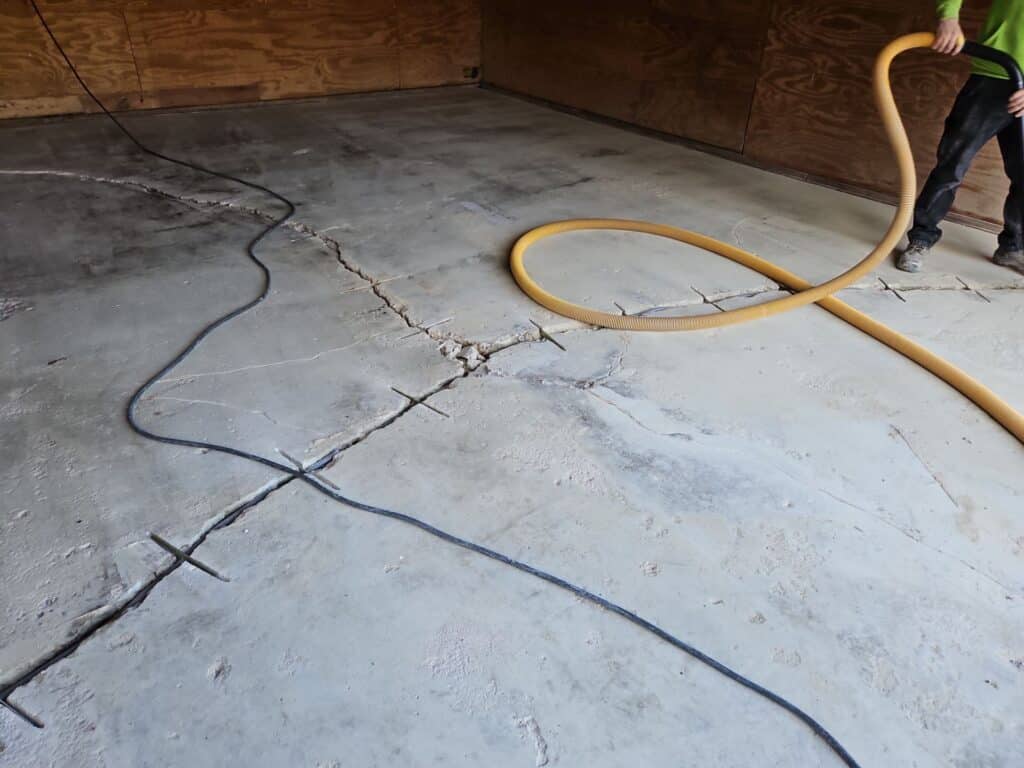
Crack Stitch Case Study Garage Floor Repair in Illinois The Challenge: A homeowner in Hoffman Estates, IL, was faced with a garage floor that had extensive cracking. Massive cracks ran in multiple directions, threatening the structural integrity and appearance of the surface. To provide a long-lasting solution, Encore Concrete Coatings needed a method that would…
Read MoreSan Diego Ranch Home Floor Crack Repair
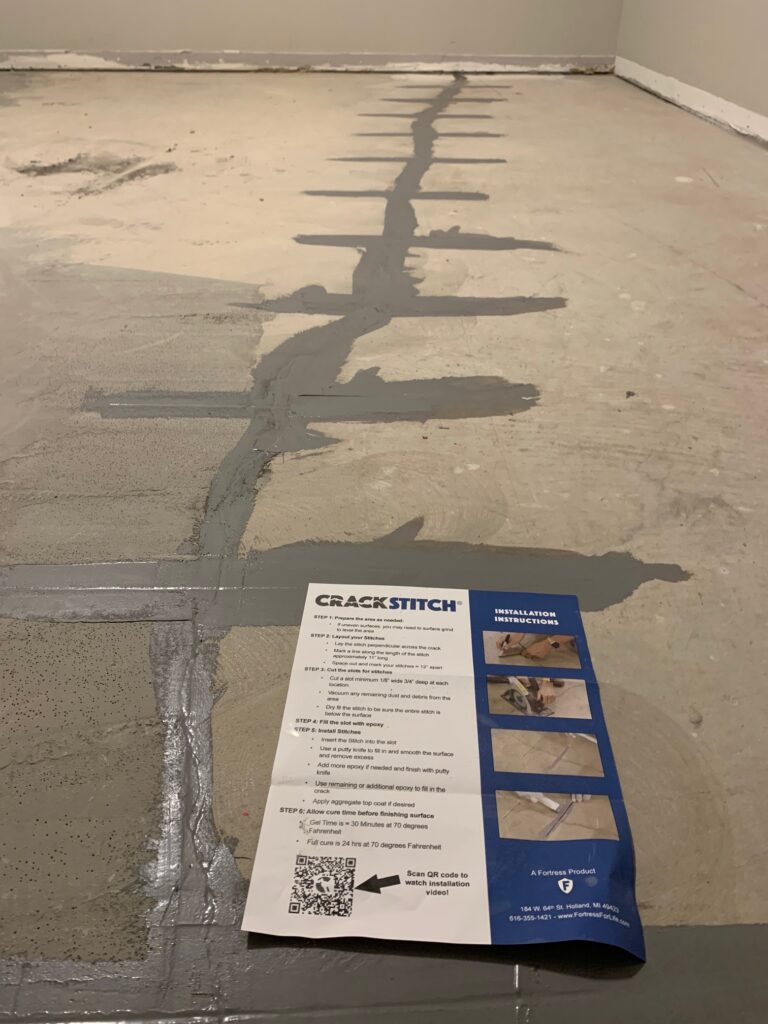
Crack Stitch Case Study San Diego Ranch Home Floor Crack Repair The Challenge: A 1976 single-story California Ranch-style home in San Diego had noticeable cracks in its concrete foundation. The property owners committed to maintaining their investments, and Sdeel Properties needed a reliable solution to ensure structural integrity and long-term durability. Having previously seen Crack…
Read MoreThe Science of Slab Crack Repair
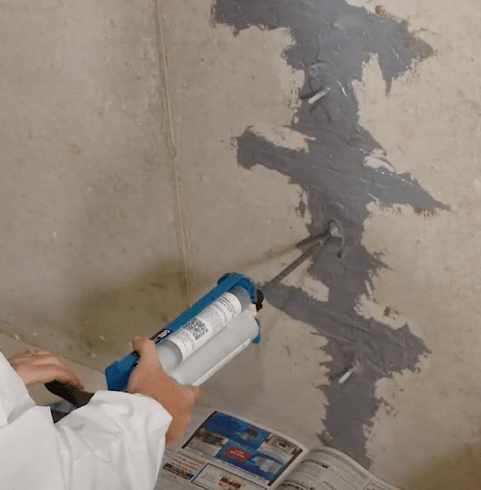
Crack Stitch Case Study The Science of Slab Crack Repair Cracks in slabs can appear for a variety of reasons. Regardless of the cause there are some fundamental techniques that should always be followed. These techniques apply to all type of crack movement: heaving, settlement, vertical shear, and lateral shear. First, we want to…
Read More